The Longevity Blueprint: 5 Physical Activities Linked to the Longest Lifespans
Science shows that certain sports can add up to nearly a decade to your lifespan. Here are the top five.

SupaGrasp
SupaGrasp
We all know that staying active is vital for long-term health, but does the specific type of exercise you choose actually dictate how many extra years you get to live? Landmark research tracking thousands of adults over multiple decades reveals a striking answer. While moving your body in any way is vastly superior to sitting still, certain physical activities offer a far greater boost to life expectancy than others.
In fact, the difference between routine solo workouts and interactive, dynamic sports can mean nearly a decade of additional life. Here are five physical activities proven to yield the greatest longevity rewards, along with the unique reasons why they work so effectively.
1. Tennis (+9.7 Years)
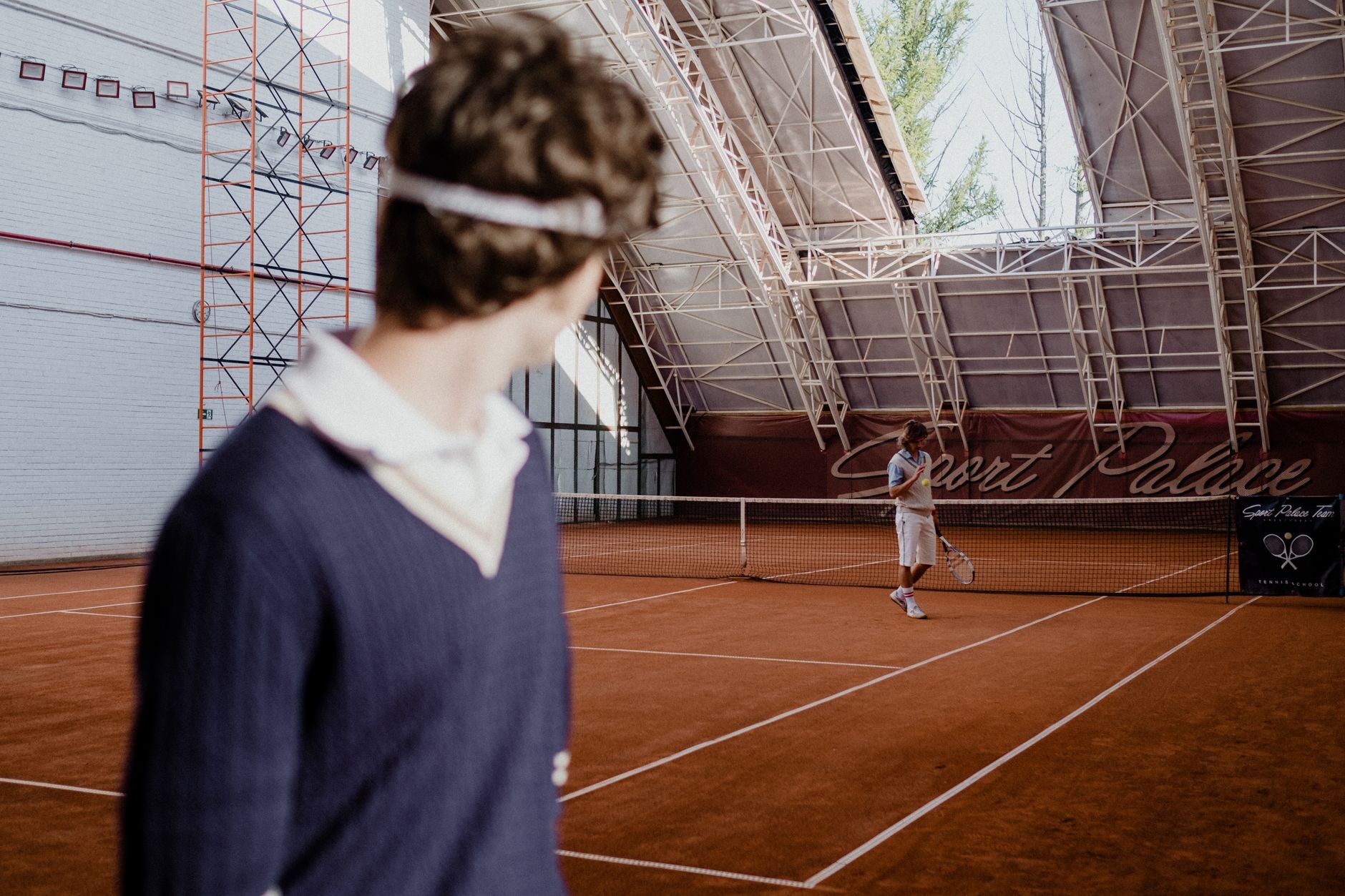
Taking top honors for longevity, tennis adds an astounding average of nearly ten years to human life expectancy. People who pick up a racket regularly gain significantly more extended years than those who adhere to traditional gym routines or stationary cardio.
Why It Extends Life
- Built-in Interval Training: Tennis requires rapid bursts of sprinting, sudden stops, quick adjustments, and brief periods of rest. This pattern naturally mirrors high-intensity interval training, which optimizes cellular energy production and cardiovascular resilience.
- Mental Agility and Balance: Reacting to a fast-moving ball forces your brain to constantly calculate trajectory, speed, and spatial positioning, sharpening your cognitive focus and neuromuscular coordination.
- Meaningful Social Interaction: You cannot play tennis alone. Playing singles or doubles creates sustained personal connection, lowering stress hormones and reducing chronic inflammation.
2. Badminton (+6.2 Years)

Often viewed as a casual backyard pastime, badminton is actually a powerhouse workout that yields over six extra years of life expectancy. Its fast pace and accessible nature make it one of the most rewarding sports you can practice at any age.
Why It Extends Life
- High-Speed Reflexes and Mobility: A shuttlecock moves deceptively fast. Chasing it across the court forces rapid multi-directional footwork, which strengthens joint stability and preserves lower-body agility.
- Cardiovascular and Bone Health: The frequent jumping, stretching, and lunging stimulate bone density retention, significantly reducing the risk of mobility loss in later years.
- Low Entry Barrier: Badminton is easy to learn and gentle enough for beginners, making it simple to maintain as a lifelong habit.
3. Soccer (+4.7 Years)
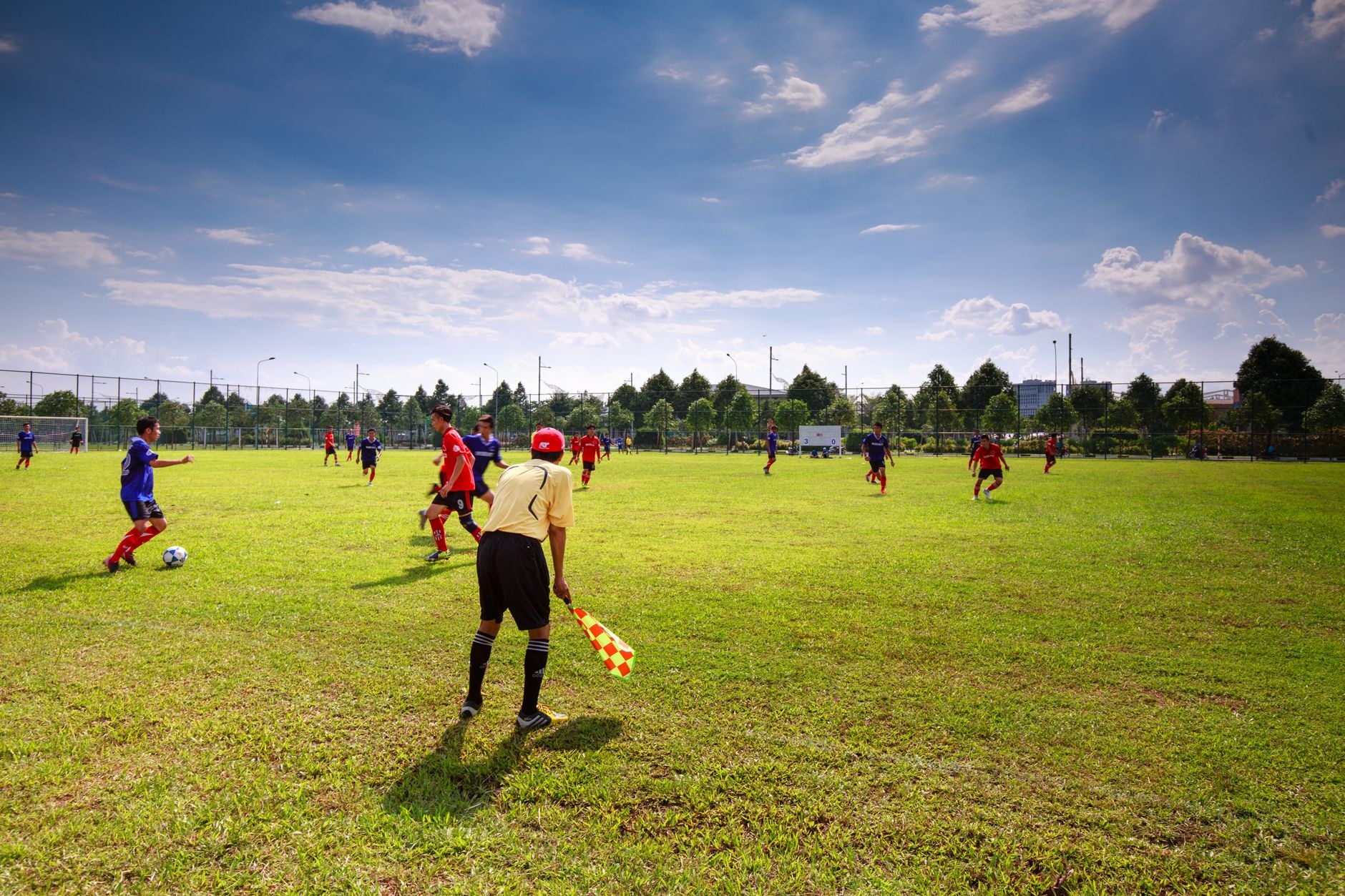
Team sports like soccer provide a comprehensive physical challenge while adding nearly five full years to your life. Running continuously while remaining alert to team dynamics delivers a balanced full-body conditioning experience.
Why It Extends Life
- Aerobic and Anaerobic Balance: Players easily cover four to six miles during a single session, blending continuous endurance running with explosive sprints. This combination keeps the heart muscle remarkably strong.
- Metabolic Efficiency: The varied intensity aids in glucose regulation, fat loss, and lean muscle retention, safeguarding against metabolic diseases.
- Strong Camaderie: Being part of a team fosters deep emotional bonds. Shared goals and regular group interaction combat social isolation, a known contributor to early health decline.
4. Swimming (+3.4 Years)
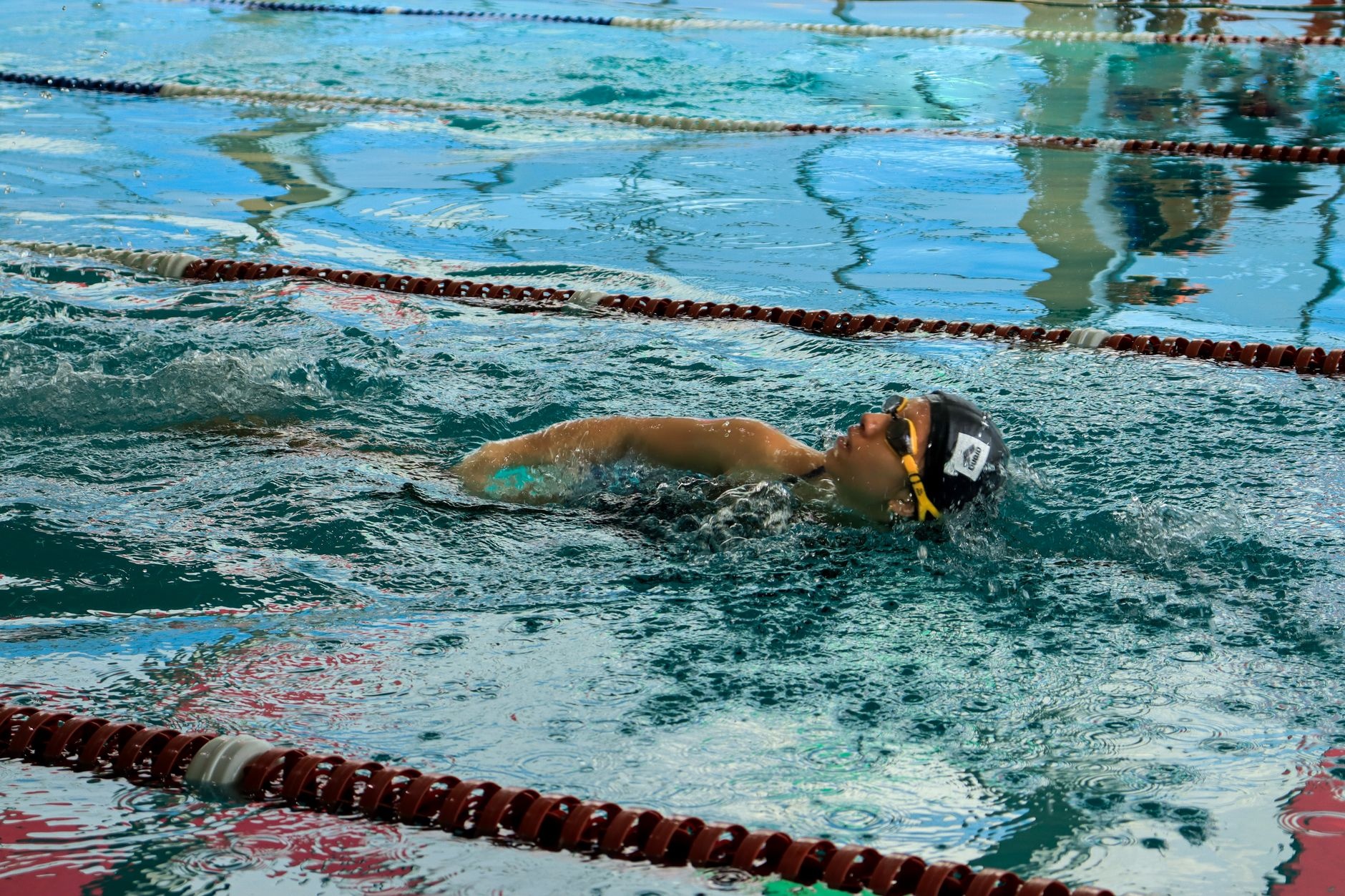
For those looking for a total-body workout that protects the joints, swimming stands out as a clear winner. Swimming regularly adds over three years to life expectancy and cuts overall mortality risk significantly compared to a sedentary lifestyle.
Why It Extends Life
- Zero-Impact Resistance: Water provides smooth, continuous resistance without putting stress on knees, hips, or the spine. It is an exceptional option for maintaining strength while minimizing joint wear.
- Enhanced Respiratory Capacity: Controlled breathing under water forces the lungs to expand efficiently, boosting overall oxygen delivery and cardiovascular endurance.
- Mental Calm: The rhythmic nature of swimming strokes combined with water immersion creates a soothing effect that lowers blood pressure and relieves mental fatigue.
5. Jogging (+3.2 Years)
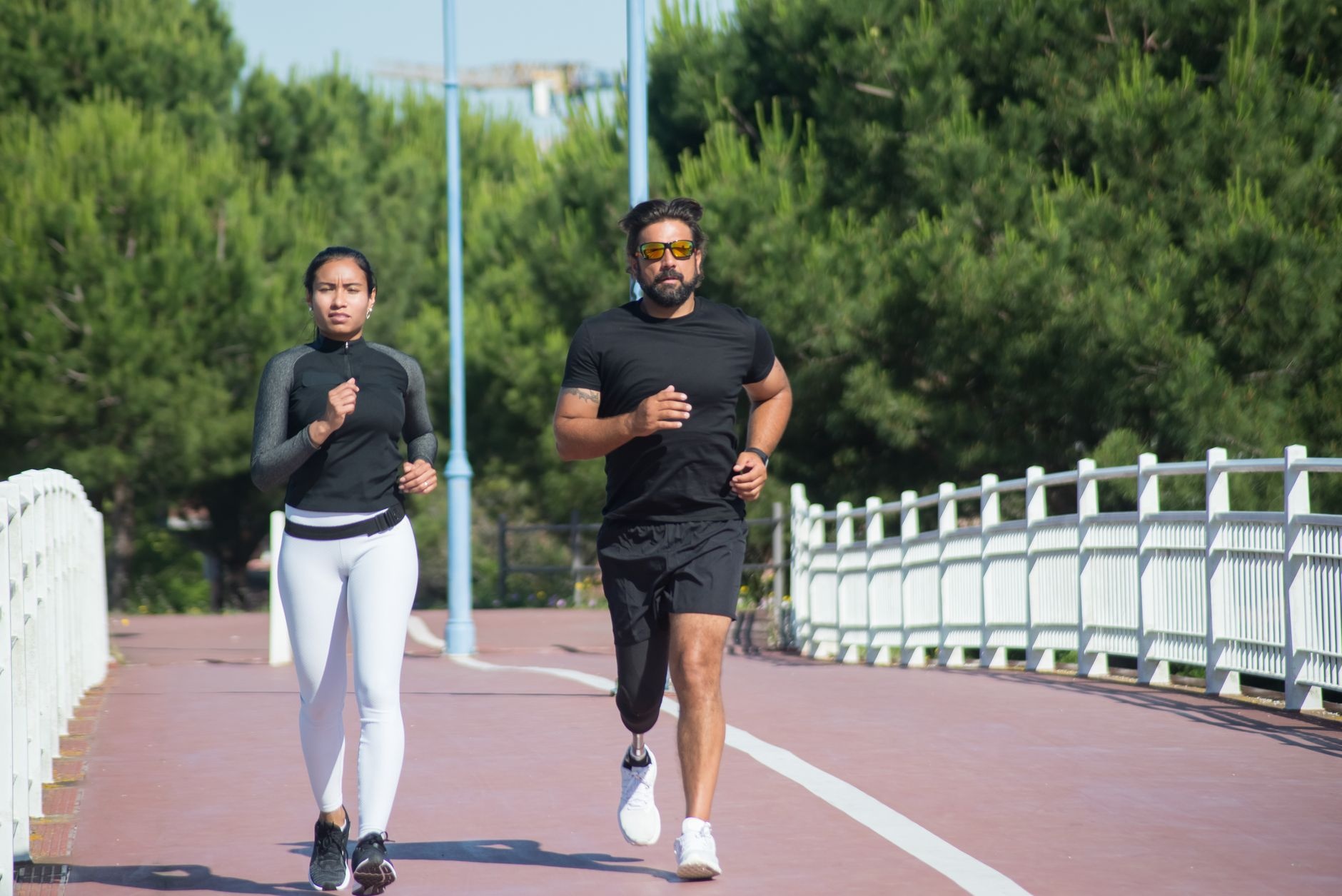
Simple, effective, and requiring little more than a good pair of shoes, moderate jogging extends life expectancy by over three years. It remains one of the most practical tools for maintaining heart health throughout your life.
Why It Extends Life
- Direct Heart Conditioning: Jogging directly strengthens the myocardium, lowers resting heart rate, and boosts overall aerobic capacity.
- Preserving Bone Mass: The mild impact of weight-bearing movement encourages bone remodeling, keeping your skeleton resilient.
- The Moderate Sweet Spot: Research demonstrates that moderate jogging two to three times per week at a comfortable pace yields maximum longevity gains, showing that extreme exertion is not required for long-term health.
The Common Thread: Why Connection and Variety Matter
Looking at these five activities, a clear pattern emerges. While solitary cardio like running or swimming delivers impressive physical benefits, racquet and team sports deliver the longest life extensions. Why is that?
First, sports that require interacting with an opponent or teammate offer automatic social connection. Loneliness and social disconnection carry health risks comparable to major physical ailments. Playing a game with friends turns exercise into an engaging activity rather than a chore, making long-term consistency effortless.
Second, dynamic sports demand continuous cognitive processing. Predicting where a ball or shuttlecock will land challenges the brain far more than running on a treadmill or riding a stationary bike. This combination of physical motion, cognitive strategy, and emotional connection creates a powerful recipe for healthy aging.
How to Put This Into Practice
You do not need to abandon your current workout routine. Instead, look for simple ways to incorporate interactive sports into your week:
- Swap one treadmill session a week for a game of tennis or badminton with a friend.
- Join a casual recreational soccer league or neighborhood sports club.
- If you prefer swimming or jogging, invite a partner along to share the experience and chat afterward.
The key takeaway is clear: to live longer and healthier, focus on activities that keep your body moving, your brain engaged, and your social circles active.
Read more blogs
View all posts →
Beyond "Unfair": Reclaiming Your Perspective on Life's True Rules
The Universal Cry of "It's Not Fair!" Imagine two people applying for the same dream job. One gets it, the other doesn't. Or perhaps you've seen someone...

The Path to Practical Wisdom: Cultivating a Deeper Understanding of Life
Discover actionable strategies to cultivate practical wisdom in your daily life. Learn to apply insights, reflect deeply, and navigate uncertainty with clarity.

Future Proof Your Career: Thriving in the Age of AI
AI is reshaping the job market. Discover the technical and human-centric skills you need and the career paths that will remain resilient.