Creatine and Sleep: Unpacking the Science Behind the Buzz
Does this popular supplement truly affect your rest, or is it just a myth? We dive into the science.

SupaGrasp
SupaGrasp
Introduction
Creatine has long been a cornerstone supplement for athletes and bodybuilders, celebrated for its remarkable ability to enhance strength and promote muscle growth. However, its reputation is evolving, with a growing wave of interest in its potential cognitive benefits. This expansion of creatine's perceived utility sparks an intriguing question: Can creatine genuinely influence how much sleep you need, or even the overall quality of your rest? While many anecdotal accounts suggest it might, it's crucial to examine what the scientific evidence truly reveals. This post will delve into the current scientific understanding of creatine's relationship with sleep, carefully distinguishing between popular claims and findings supported by research.
Understanding Creatine
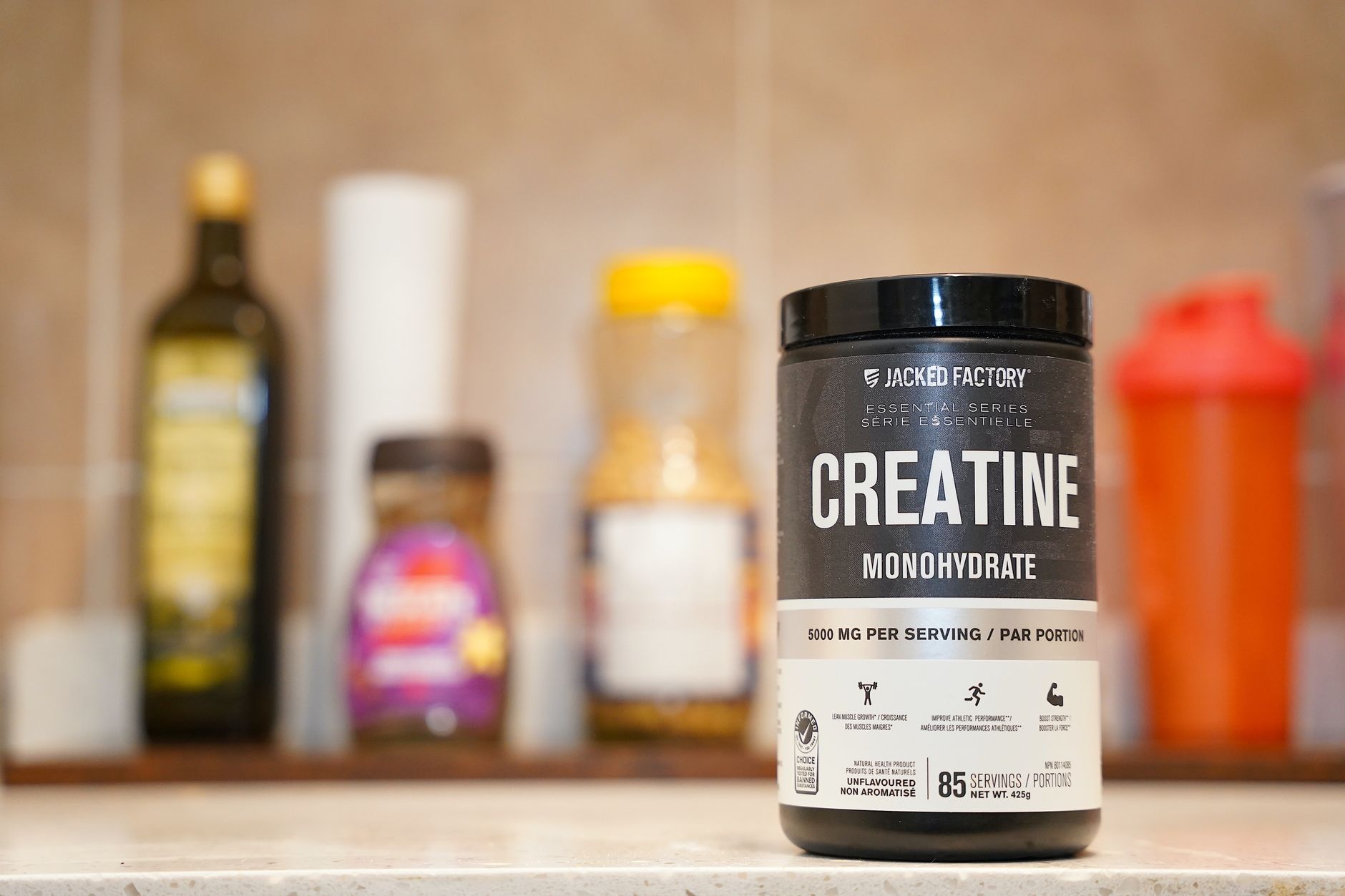
Creatine is a naturally occurring organic compound found predominantly in muscle cells and the brain. Your body produces a certain amount of it, and you also obtain it through dietary sources like red meat and fish. Its primary role is to facilitate the regeneration of adenosine triphosphate (ATP), which serves as the main energy currency for your cells. This rapid energy production is vital for high-intensity, short-duration physical activities.
For many decades, creatine has been a widely used supplement for boosting athletic performance, increasing muscle mass, and improving strength. More recently, researchers have turned their attention to creatine's potential role in cognitive function and overall brain health, a focus driven by its significant presence and importance in brain energy metabolism.
Creatine and Sleep: The Current Research
Direct Impact on Sleep Duration or Need
Despite the widespread belief that creatine enables individuals to function optimally on less sleep, direct scientific evidence to substantiate this claim remains limited. Most studies do not indicate that creatine significantly reduces the actual amount of sleep a person requires. Instead, research often investigates how creatine might mitigate the negative effects of sleep deprivation on cognitive performance, rather than suggesting it lessens the fundamental need for sleep itself. It appears creatine does not fundamentally alter the body's inherent requirement for a specific number of hours of rest.
Impact on Sleep Quality and Cognitive Function During Sleep Deprivation

While creatine may not reduce your sleep needs, its role in buffering the effects of sleep deprivation is a key area of research.
- Cognitive Buffering: Creatine supplementation can help maintain normal levels of phosphocreatine and ATP in the brain, even when individuals experience severe sleep deprivation. This helps the brain sustain its energy supply.
- Reduced Sleep Pressure: Some studies suggest that creatine can reduce homeostatic sleep pressure following periods of sleep deprivation, meaning the body might feel less intense
Read more blogs
View all posts →
Should You Still Learn to Code in 2026? The Enduring Value of Computational Thinking
Introduction The world of technology is in constant motion, evolving at a breathtaking pace. With advancements in artificial intelligence and automation, a...

How Old Is Your Body, Really? The Simple Single-Leg Test Reveals All
Your chronological age is just a number. A simple single-leg stance test can reveal your body's true biological age and health insights.

Master ChatGPT: Unlock Its Full Potential and Outperform 99% of Users
Are you truly leveraging ChatGPT? Discover advanced prompting techniques to transform your AI interactions, boost productivity, and achieve unparalleled results.